Monday, March 20, 2023

Sweet Sleep

One of the most common pieces of advice I’ve received since becoming pregnant is, “Sleep as much as you can now!” And that’s one piece of advice I’m happy to follow, because I love sleep. As a child, like most other children, I hated taking naps, but sometime during college I saw the light and realized just what a gift it is to be well-rested.

I guess it’s not so much that I love the sleep itself as it is that I don’t love how I feel when I don’t have enough of it. My brain doesn’t work as well, so I’m less productive and less able to focus on things I need to do. My temper becomes shorter, so I’m more likely to snap at other people. Stressors seem more unmanageable, so I’m more likely to get panicked over things that wouldn’t phase me otherwise. My body doesn’t have the chance to make enough lymph, so I’m more prone to getting sick or staying sick longer. My level of overall fatigue increases, so I’m less likely to spend time in the Bible and in prayer and more susceptible to temptation. All of these things are why the phrase rings true that “sometimes the most spiritual thing you can do is take a nap.”[1]

In a society where self-sufficiency is praised, it can be difficult to acknowledge that we are not all-powerful. We have limits. We were designed to need rest, and God created the amazing process of sleep to restore and refresh our bodies, minds, and spirits. We close our eyes, and while we are essentially dead to the world, our bodies are at work basically recharging themselves so that when we awake we are ready to face the hours ahead. It’s pretty amazing when you stop to think about it. Not only does sleep help give us physical and mental energy, but it also helps us spiritually as we are better able to be alert, ready both to avoid and/or fight temptation and to follow the Holy Spirit’s leading throughout the day.

The Bible itself has plenty to say about sleep. In 1 Kings 19, Elijah, when running for his life, took two naps along with eating and drinking the sustenance God provided for him. David recognized that sleep was a gift from God in Psalm 4:8: “In peace I will both lie down and sleep; for you alone, O Lord, make me dwell in safety” (ESV), and his son Solomon did the same: “It is in vain that you rise up early and go late to rest, eating the bread of anxious toil; for he gives to his beloved sleep” (Psalm 127:2, ESV). And then there’s all the times that God used sleep to communicate with people through dreams, e.g. Abram (Genesis 15), Jacob (Genesis 28), Joseph (Genesis 37), Pharoah (Genesis 41), Jeremiah (Jeremiah 31), Joseph (Matthew 1), etc. Even Jesus slept (Matthew 8, Mark 4, Luke 8). We also see how the absence of sleep is portrayed as a negative thing; when people are distressed or in danger, they are not able to sleep (see Daniel 2, Daniel 6, Esther 6).

Of course, as with most good things, the abuse of sleep can turn it into a not-so-good thing. Scripture is also filled with warnings against slothfulness (see Proverbs 6:9-10, 10:5, and 20:13, to name a few). And Jesus chided His disciples for sleeping when they should have been awake (Matthew 26, Mark 14, Luke 22). But in our fast-paced, productivity-worshiping culture, our danger seems to be not resting enough instead of resting too much. We like to pretend that we’re the Energizer Bunny, with an energy source that can never be depleted. Far from prioritizing rest, we run ourselves ragged until our bodies start to falter and ultimately sickness forces us to slow down.

I used to feel guilty for taking naps when there were so many things on my to-do list, but I finally realized that spending an hour or two sleeping wasn’t a waste of time. Instead, I found that when I had enough sleep, I was better able to tackle those things I needed to do, better able to write, better able to be there for friends who needed to talk, better able to maintain a peaceful mindset, and better able to practice the Fruit of the Spirit. Taking care of our bodies is important, and it goes hand in hand with taking care of our souls.

Another benefit of sleep is that it causes us to recognize the nature of our relationship to God. First, it shows us that we are completely dependent on Him. We don’t tell our hearts to keep beating or our lungs to keep breathing while we’re conked out. He is the One who sustains us while we sleep and allows us to wake up.

But sleep also shows us that we are not God and that God is completely greater than us. While there are times in the Bible where God is referred to as “sleeping” (e.g., Psalm 44:23, “Awake! Why are you sleeping, O Lord? Rouse yourself! Do not reject us forever!” [ESV]), these are figures of speech referring to times where it seems that God is asleep because it seems that He is not active or not paying attention. But we know that God is self-sustaining and has no need to refresh or recharge. “Behold, he who keeps Israel will neither slumber nor sleep” (Psalm 121:4, ESV). No mockery can be made of Him as was made of Baal in 1 Kings 18 when Elijah suggested Baal might not be hearing his followers because he was asleep. God is always awake and always alert. “The LORD is the everlasting God, the Creator of the ends of the earth. He does not faint or grow weary; his understanding is unsearchable” (Isaiah 40:28, ESV).

So while we sleep and while we’re awake, we can be confident that God is ever watching and never drowsy. We never have to try to keep ourselves awake to make sure He’s paying attention, like a passenger trying to keep the driver from falling asleep. We never have to exhaust ourselves trying to run on fumes when we weren’t created to live that way. We can be grateful for the way God designed our bodies, for the way He connected the physical and spiritual within us, and for the sweet gift of sleep He has given us. And we can worship Him for His creativity and perfect design of us and for His greatness by which He is able to exist without ever needing to sleep. What a tender, kind, and mighty God we serve!
PC: Jane Morris. Used with permission.


[1] I’ve heard this phrase from several pastors and authors, so I’m not sure to whom the original credit goes.

Wednesday, March 15, 2023

الله ذاته بأمر جديد

بالتأكيد أن كلمة الله عامةً رائعة وخصيصاً إشعياء وهو أحد الأسفار المفضلة لدي وذلك لوجود العديد من الجواهر المخبئة بين صفحاته بانتظار التنقيب عنها. نجد إحدى تلك الجواهر في الإصحاح 43. أذكر جيداً أول مرة ترسّخت فيها الآيتان 18 و19 من هذا الإصحاح في ذهني. كنت قد قرأت سفر إشعياء عدة مرات، لكن في أحد أيام المدرسة الثانوية، شارك أحدهم هذه الآيات ككلمات وضعها الله على قلبه خلال مرحلة تغيير في حياته، ومنذ ذلك الحين بقيت هذه الكلمات عالقة في ذهني.

ومنذ ذلك الوقت، كلما مررت بهذه الفقرة أثناء قراءتي لإشعياء، أفكر بتلك الشهادة. لكن قبل بضعة أسابيع، وبينما كنت أقرأ الإصحاح من جديد، لفت انتباهي سياق الآيات، ولاحظت عناصر لم أرها من قبل. لنقرأ أولاً إشعياء 43: 16 - 21: 

16 هكَذَا يَقُولُ الرَّبُّ الْجَاعِلُ فِي الْبَحْرِ طَرِيقًا وَفِي الْمِيَاهِ الْقَوِيَّةِ مَسْلَكًا.

17 الْمُخْرِجُ الْمَرْكَبَةَ وَالْفَرَسَ، الْجَيْشَ وَالْعِزَّ. يَضْطَجِعُونَ مَعًا لاَ يَقُومُونَ. قَدْ خَمِدُوا. كَفَتِيلَةٍ انْطَفَأُوا.

18 «لاَ تَذْكُرُوا الأَوَّلِيَّاتِ، وَالْقَدِيمَاتُ لاَ تَتَأَمَّلُوا بِهَا.

19 هأَنَذَا صَانِعٌ أَمْرًا جَدِيدًا. الآنَ يَنْبُتُ. أَلاَ تَعْرِفُونَهُ؟ أَجْعَلُ فِي الْبَرِّيَّةِ طَرِيقًا، فِي الْقَفْرِ أَنْهَارًا.

20 يُمَجِّدُنِي حَيَوَانُ الصَّحْرَاءِ، الذِّئَابُ وَبَنَاتُ النَّعَامِ، لأَنِّي جَعَلْتُ فِي الْبَرِّيَّةِ مَاءً، أَنْهَارًا فِي الْقَفْرِ، لأَسْقِيَ شَعْبِي مُخْتَارِي.

21 هذَا الشَّعْبُ جَبَلْتُهُ لِنَفْسِي. يُحَدِّثُ بِتَسْبِيحِي.

ما شدّ انتباهي في هذا المقطع هو أمر الرب "لا تذكروا". ففي عدة أحيان في العهد القديم، يقول الرب لشعبه أن يتذكر. أن يتذكر كيف أخرجه من أرض مصر، أن يتذكر وصاياه التي أعطاه أياها وكيف قاده في البرية. لكن هنا، يقول الرب لشعبه أن ينسى، فهذا الأمر فريد من نوعه في الكتاب المقدس لذلك يستحق أن نتعمق به.

إن أمر النسيان لم يُكتب بشكل منفصل بل يقع بين شيئين وهما وصف ما قد فعله الرب والوعد بما سيفعله. نرى في الآية 16 وصفاً لله – اسمه يهوه إله العهد هذا هو – "الْجَاعِلُ فِي الْبَحْرِ طَرِيقًا وَفِي الْمِيَاهِ الْقَوِيَّةِ مَسْلَكًا". ويتبن أن الآية التالية تلمّح إلى حادثة عبور بني إسرائيل البحر الأحمر، حين جفّف الله الطريق لهم وغرق جيش فرعون (الآية 17). عادة، عند رؤيتنا لآيات مثل هذه نرى الرب يقول لشعبه أن يتذكر هذه الأحداث، لكن بدلاً من ذلك يقول الرب "لاَ تَذْكُرُوا الأَوَّلِيَّاتِ، .... هأَنَذَا صَانِعٌ أَمْرًا جَدِيدًا." (18-19).ويستجدي السؤال، ما هو هذا الأمر الجديد ؟ لنستمر بالقراءة. 

"فِي الْبَرِّيَّةِ طَرِيقًا، فِي الْقَفْرِ أَنْهَارًا." (الآية 20). 

فهذا هو الأمر الجديد، لكن هل ترى التماثل بين الأمر القديم (الأوليات المذكورة في آية 16) والأمر الجديد (المذكور في آية 19)؟ هناك مقابلة ومقارنة في أعمال الله ووصفها:

  • في الآية 16: "طريق في البحر" بينما في الآية 19: "طريق في البرية"

  • في الآية 16: يجفف الماء، بينما في في الآية 19: يُوجد ماء حيث لا يوجد.

كلاهما يضم نفس العناصر من المياه والأرض الجافة وأن الرب صانعاً للطريق. فلماذا يطلب الرب من شعبه أن ينسى الأوليات التي بينت قوته بشكل كبير؟ ربما ليتعلم شعبه ونحن أيضاً أن ندرك بأنه مع كون الله يعمل دائماً إلا أنه لا يعمل دائماً بالطريقة ذاتها. ففي بعض الأحيان تكون المشكلة هي المياه وهو يحمينا من الغرق وفي أحيان أخرى نتعذب من الجفاف وهو يحمينا من الموت ظمئاً. في بعض الأحيان يمنحنا أرضاً ثابتة لنمشي عليها وفي أحيان أخرى يعطينا أنهار مياه منعشة. 

نحن كثيراً ما نتمسّك بذكريات تدخلات الله الماضية لدرجة أننا نفشل في رؤية تدخله الجديد. نتوقّع منه أن يتصرّف بنفس الطريقة، وعندما لا يحدث ذلك، نشعر بالإحباط أو نشك. لكن عدم تشابه الطريق لما كان عليه سابقاً لا يعني عدم وجوده. الله هو ذاته، و يصنع الطريق دائماً، لكن أحياناً هذا الطريق يأتي بصورة لم نتخيلها، وأحياناً نبحث عن مسار يقودنا خارج ظروفنا غير مدركين بأن ما نحتاجه هو نهر في وسطها. فأحياناً تركيزنا على ما سبق يجعلنا لا نرى الأمر الجديد الذي يفعله الرب في حياتنا. 

مهما كان ما نواجهه، الله هو ذاته اليوم كما كان عليه دائماً، مما يعني أنه يعمل لأنه إله حي. 

"هَذَا ٱلشَّعْبُ جَبَلْتُهُ لِنَفْسِي. يُحَدِّثُ بِتَسْبِيحِي". (إشعياء 43: 21)

هو الإله ذاته، يعمل أمراً جديداً. فلنطلب أن تُفتح أعيننا لنرى ذلك، وأن نحيا حياة تُعلن مجده.


كتب من قبل أوليفيا. ترجم من قبل سديم.  تعديل من قبل حنين باشا.

هذا المنشور تم نشره أولا في 2019. لرؤية النسخة الإنجليزية الأصلية إضغط هنا

This post was first published in 2019. To see the original English version, click here.


Wednesday, March 8, 2023

أهلا وسهلا إلى سوسنة في إنتظارك

أهلا وسهلا في أول منشور عربي هنا في مدونة سوسنة في إنتظارك، أريد أن أعرف عن نفسي وأعلمكم بما ينتظركم في الأيام القادمة.

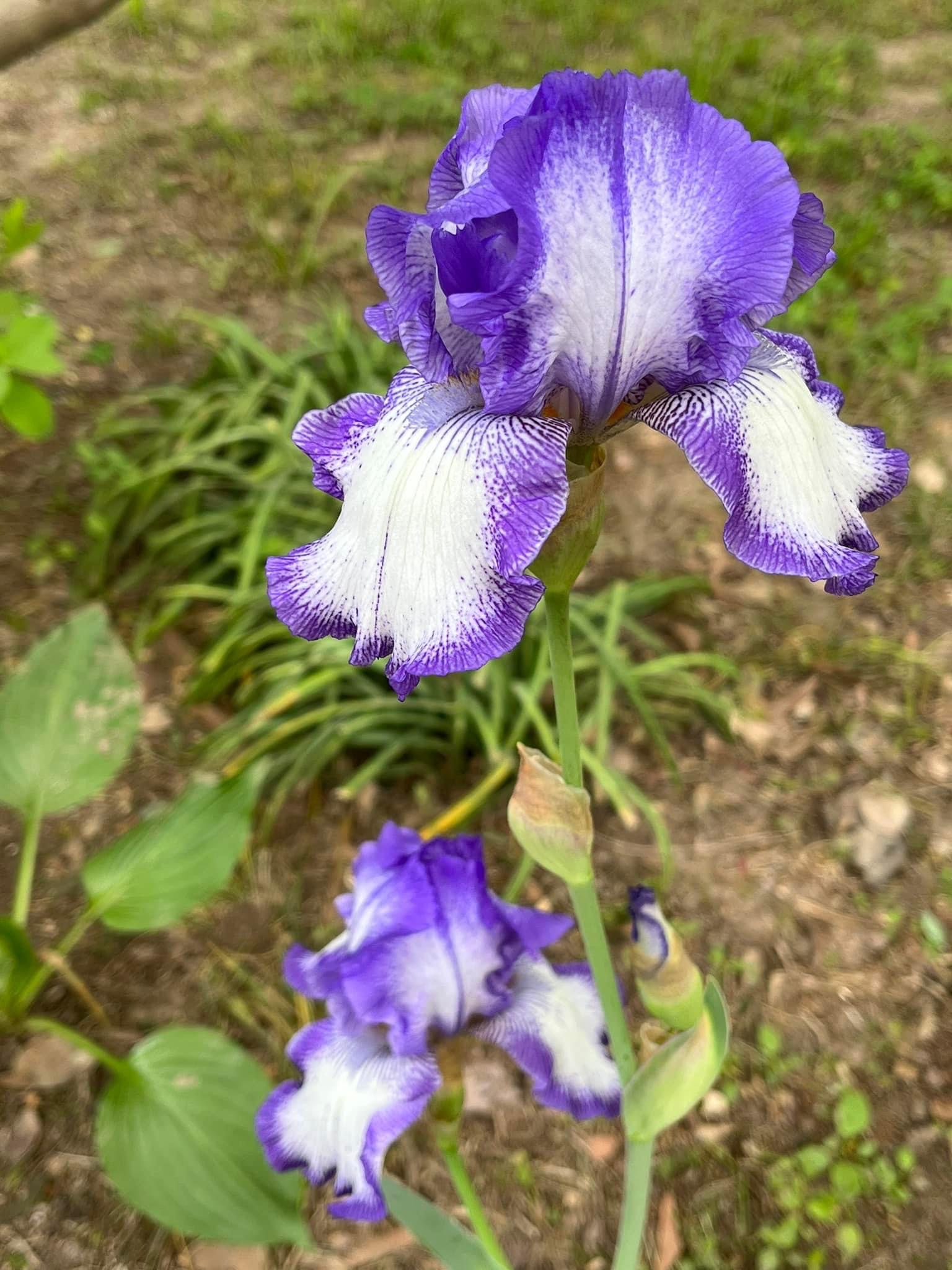
اسمي أوليڤيا باشا وأنا أتبع يسوع .ولدت ونشأت في أمريكا ولكن الآن أسكن في بلاد الشام مع زوجي، وهو مسيحي عربي ولد ونشأ في الشرق الأوسط. في عام ٢٠١٥، بدأت هذه المدونة بهدف مشاركة ما تعلمته وما زلت أتعلمه من أجل تشجيع وتحدي المؤمنين الآخرين بيسوع أثناء نمو علاقتهم به. عنوان المدونة قد يكون غريب، لكنه يشير إلى لغة الزهور في العصر الڤيكتوري، الذي فيه زهور السوسن تترجم ل "رسائل"، فالفكرة هنا من "سوسنة في إنتظارك" أن هناك رسالة تنتظرك حتى تفتحها وتستمتع بها.

منشوراتي الأولى كانت تندرج تحت ثلاثة فئات: الكنيسة، والتي تستهدف المسيحيين؛ الثقافة، والتي تستهدف الأحداث الحالية في أمريكا من خلال عدسة الكتاب المقدس؛ وكل شيء، والتي تغطي مواضيع لم تقع في الفئتين الأخريين. في عام ٢٠٢٠، بعد عام من لقاء زوجي، وكنت قد أصبحت مخطوبة له، بدأت فئة جديدة: التواصل بين الثقافات، والتي تهدف لمساعدة قرّائي الأمريكيين أن يتعلموا عن ثقافة الشرق الأوسط التي كنت على وشك الدخول إليها وأن يروا كيف يمكن أن يساعد التعلم عن ثقافة الشرق الأوسط في إعطائنا فهم أفضل عن الكتاب المقدس. و أيضا هدفت في هذه الفئة أن أساعد الأمريكيين المسيحيين أن يدركوا أن لهم أخوة وأخوات في المسيح في الشرق الأوسط والذين يتشاركون معهم برابط إيماني.

مع كل هذه الأمور التي ذكرتها، كان تركيزي قبل عام ٢٠٢٣ بشكل كبير على جمهور أمريكي. لكن خلال السنوات الماضية وتحديداً بعد الانتقال للسكن في الشرق الأوسط، مجتمعي توسع ليشمل عائلة وأصدقاء عرب. رأيت وسمعت وشعرت بالإحباط حيال ندرة الموارد المسيحية باللغة العربية بالمقارنة مع اللغة الإنجليزية. في العام الماضي، صديقتي -والتي أيضاً تعلمني اللغة العربية- زرعت في رأسي فكرة ترجمة بعض المنشورات من المدونة إلى اللغة العربية. ومع نهاية عام ٢٠٢٢، وجدت أن الرب وضع هذه الفكرة بشدة في داخلي، لقد شعرت أنه شيء يجب علي أن أفعله في عام ٢٠٢٣.

خلال الأشهر الماضية، أعطى الله بعض من الأصدقاء الرغبة في المساعدة في الترجمة وأنا متحمسة أن أشارك أن "سوسنة في إنتظارك" سيكون فيها فئة جديدة مخصصة للغة العربية تحتوي على ترجمات لبعض من منشوراتي السابقة. هذه المنشورات ستحتوي على ملاحظات من قراءة الكتاب المقدس، دروس يعلمني إياها الله، ورسائل أخرى تهدف إلى أن تشجعك و تتحداك في رحلتك مع يسوع. حتى نبدأ، سيتم مشاركة منشور واحد كل شهر وسيكون أول منشور الأربعاء القادم. 

أغلب المنشورات موجهة للجمهور مسيحي، لكن بغض النظر إن كنت تعرف يسوع لفترة طويلة أو أنك مؤمن جديد أو مؤمنة جديدة أو ليس لك علاقة به، صلاتي أن يستخدم الله هذه المنشورات لكي تساعدك على تعميق فهمك لصلاحه ونعمته ولتقترب منه. له وحده كل المجد.

شكرا من أجل قراءة المنشور. ليباركك الرب بسلام.

كتب من قبل أوليفيا باشا. ترجم من قبل حنا باشا. تعديل ميس سلفيتي.


المصدر: عيسى باشا. سمح بالنشر.


Monday, March 6, 2023

A New Chapter for An Iris Awaits

It’s hard to believe it’s been over seven years since I started this thing called “An Iris Awaits.” Since that time, God has graciously allowed me to share things that He has laid on my heart on a variety of topics, but all with the view of challenging and encouraging others to go deeper in their relationship with Him and to see how that relationship is, or at least can and should be, integral to every aspect of our lives, not just put in a “spiritual” or “Christianity” box that we keep separate from everything else.

Over the last seven years, we’ve delved into passages from the Bible; we’ve looked at lessons to be learned from classic literature; we’ve heard from friends on a breadth of topics they are passionate about and heard how their faith informs their work in those areas; we’ve examined current events in light of truths from God’s Word; and most recently we’ve begun exploring how interacting with different cultures—particularly Middle Eastern culture—can help us better understand God and the Bible.

From the beginning, my primary audience has been the American Church, because believers from my home country were the majority of my community, and they were the ones my heart was most burdened for, desiring to see their faith become solid, vibrant, and authentically lived-out. But in the past few years, my community has rapidly expanded to include the Arab Church, both with family and with friends. And while my heart is still very much burdened in the same way for my American brothers and sisters, that burden has now grown to include my Arab brothers and sisters as well.

Time and again as my husband and I have been serving in church or having conversations with friends, biblical resources have come to mind that would be incredibly helpful in the given situation but that are only available in English. And while English is essentially a second language where we live and many people are able to speak fluently and read fluently (or nearly so), it is still frustrating for us and others not to be able to share these biblical resources with people here in Arabic, their heart language.

Sometime last year, my friend and Arabic teacher asked me if I had ever thought about publishing posts in Arabic. I hadn’t really, but thanks to her question, I gave it some thought at the time. As she pointed out, there are not many written resources for Christian discipleship in Arabic. It wasn’t long, though, before the idea had slipped to the back of my mind as other things took precedence. Fast-forward to the end of 2022, and as I was thinking about the new year, the Lord suddenly and strongly brought the idea to the forefront of my mind. This was something I knew I needed to do in 2023.

Over the past few months, the Lord has given confirmation through responses from others with whom I floated the idea and by providing several friends to help with translation work. So beginning this month, I’m opening a new section here on the blog that will be dedicated to posts in the Arabic language. While I will continue writing and posting in English (typically every other Monday), this new area will contain Arabic translations of selected posts from the past seven years (typically published one Wednesday a month for starters).

Will you join me in praying that these Arabic-language posts will make their way to those who need them, that our fellow believers who speak Arabic will be challenged and encouraged in their walk with Christ, that those who are “Christians in name only” will recognize their need to make a personal decision to follow Christ, and that those who have no interest in knowing Jesus will begin to see the beauty of a relationship with Him? I have no idea how God wants to use this meager offering of ours, but I am beyond excited to see what He will do. All glory to His Name!

PC: Issa Basha. Used with permission.


Monday, February 20, 2023

What a Power Outlet Taught Me about God

People often ask me, “What is the biggest difference between living in America and living in the Middle East?” And while there are certainly some big differences, most of the difference comes from the accumulation of a lot of little things—things that you don’t even know to think about until you experience them. Take power outlets, for instance. Pictured below is a contemporary standard outlet in America.

Until I traveled outside the United States, it never occurred to me that any other kind of power outlet existed (other than the two-pronged version found in older houses). Turns out, there are a lot of different types of outlets across the world, including here in the Middle East, where the outlets look like this:

Growing up, I became familiar with outlet adapters from staying at my grandparents’ where we had to use them to convert our three-pronged plugs into two-pronged ones, so having to use adapters for my phone and computer chargers when I moved to the Middle East wasn’t that foreign of a concept. But it isn’t just the plugs and outlets that are different.

The voltage is different too. So it doesn’t matter whether the plug fits in the outlet if the voltage capacity of the device doesn’t match the voltage coming from the outlet. In that case, the device either won’t turn on, or it will fry. To fix the problem, you need a voltage adapter as well as an outlet adapter to help convert the electricity into something that the device can handle.

While it may not be a perfect analogy, thinking about all these adapters made me think about the spiritual adapters we need in our lives. God’s Word, the Bible, is like an outlet adapter. We come to it in our fallen humanness and through it are able to encounter God, the Power Source. As the primary means by which we learn about God, the Bible is one of the main ways that we become connected to Him.

But not everyone who reads the Bible understands what they read or receives strength and encouragement from it. I’m reminded what Paul wrote about preaching God’s Word: “we preach Christ crucified, a stumbling block to Jews and folly to Gentiles, but to those who are called, both Jews and Greeks, Christ the power of God and the wisdom of God” (1 Corinthians 1:23-24, ESV). To some the Gospel and God’s Word is a stumbling block or folly instead of the power and wisdom of God. So what makes the difference?

God’s Word is powerful on its own, yes and absolutely (see Isaiah 55:11 and Hebrews 4:12), but there is a means by which the power of God’s Word is effective, and that is the Holy Spirit. The Holy Spirit is the One through whom the human writers of the Bible were divinely inspired (see 2 Peter 1:21 and Acts 4:25). And the Holy Spirit is the One who equips human readers to understand the truth that they read.

So If God’s Word is like the outlet adapter, the Holy Spirit is like the voltage adapter. Without the aid of God the Holy Spirit, we are not able to handle the power coming from Him as the Power Source. But the Holy Spirit, our Helper (see John 16:7), equips us to handle the power of receiving and processing the Word of God.

Before Jesus, God the Son, was crucified, He told His disciples that there was much more they had yet to hear and understand: “I still have many things to say to you, but you cannot bear them now” (John 16:12, ESV). When and how would they be able to bear them? We find the answer in the next verse: “When the Spirit of truth comes, he will guide you into all the truth, for he will not speak on his own authority, but whatever he hears he will speak, and he will declare to you the things that are to come. He will glorify me, for he will take what is mine and declare it to you” (John 16:13-14, ESV). With the help of the Holy Spirit, the disciples would be able to bear the truth without crumbling under its weight. In the same way, with the help of our Voltage Adapter, the Holy Spirit, we are able to bear the incoming power of the truth of God’s Word. He enlarges our capacity to receive what God the Father has to give us.

So how are you trying to live your life as a Christian? Are you dragging along without much power? Does God seem distant and disconnected? If you feel as if you never hear from God or experience His power in your life, try asking yourself if you’re really utilizing your Outlet Adapter (the Bible) to plug into God’s very thoughts and words delivered to you in writing. And if you’ve got your Outlet Adapter securely in place, but you still feel like you’re disconnected from the Power Source, be sure to plug into your Voltage Adapter (the Holy Spirit) before, while, and after you read. Ask Him to give you the understanding, to guide you into the truth, and to help you internalize and live out what God Almighty, the Power Source, has delivered to you in His Word. 

PC: Daniel Basha. Used with permission.


Monday, February 6, 2023

Never-ending

Lamentations 3:22-23 are some of the most encouraging verses in the Bible and perhaps also some of the most well-known, thanks to the hymn “Great Is Thy Faithfulness,” which is based on them.

“The steadfast love of the LORD never ceases;

            his mercies never come to an end;

they are new every morning;

great is your faithfulness” (ESV).

Whenever I’ve heard sermons or discussions about these verses, the part that seems to be emphasized the most is the fact that God’s mercies are new every morning, and certainly that is an encouraging truth. Regardless of how much we have messed up the day before, each morning we are met, not with condemnation, but with mercies from God, and not just any mercies, but fresh mercies. It’s not yesterday’s leftovers that we are left to ration out throughout the day. Each morning God gives us brand new compassion to carry us through.

When I was reading these verses some time ago, though, another phrase stood out to me about His mercies that is just as encouraging. They “never come to an end.” Take a moment and think about how amazing that is. So many things in life—including earthly life itself—come to an end eventually, and endings often come with grief. We finish a good book or film; we move away; we say goodbye, and regardless of what new things are beginning, we still are left with a feeling of loss and sadness that a good thing did not last. Such is our lot here on this temporary earth of temporary things where Eternity is still in our future.

But there is a Being who exists beyond space and time and for whom Eternity is now (and has always been) present"the Lord God Almighty, who was and is and is to come!” (Revelation 4:8, ESV). He is “the same yesterday and today and forever” (Hebrews 13:8, ESV), which means that He never changes. And if He never changes, then every aspect of His character is constant and never-ending. This means there will never ever be a point, in time or outside of it, when God’s mercy and compassion stop. There will never ever come a time when His love runs out or His faithfulness is depleted. We will never ever face a day when we must grieve the ending of God’s kindness. We’re often told to “never say never,” but when it comes to God, we can confidently say that who He is will never change.

In a world where it can seem that good things never last, we can find great joy and deep assurance in the fact that God’s mercies last forever. In a world where so little can be depended on, we can wholeheartedly depend on His faithfulness. His mercies are new in the morning, yes, but there also will never be a morning where they will cease to exist. The fountain of His love will never run dry. His tender care will never disappear from our lives. What a beautiful, calming, bolstering thought.

So the next time you are disappointed by the world or the people in it, the next time you must navigate the process of grieving an ending, the next time you feel like there is nothing solid to hold on to, read these verses and meditate on the constancy of God’s character and the never-ending nature of His good gifts to His children. Will you join me even today in thanking God for this marvelous truth?

“The steadfast love of the LORD never ceases;

his mercies never come to an end;”


To read the Arabic translation of this post, click here.

لقراءة الترجمة العربية لهذا المنشور إضغط هنا.


PC: Pamela Hollis. Used with permission.

Monday, January 23, 2023

Sealing the Deal

When my parents and I first visited my husband’s family in the Middle East, one of the hardest adjustments was learning to navigate the cultural protocol for accepting or rejecting something that was offered. Generally speaking, Americans are a very straightforward people. We like to be direct and get to the point. Middle Easterners, on the other hand, tend to be more circular in their thinking and communication, as I’ve written about in a previous post.

One of the main arenas where this difference plays out is hospitality. Middle Easterners are an incredibly hospitable people. When you visit them at their home, they will offer you all manner of refreshments. But when it comes to receiving such things, they consider it more polite to refuse the first time it is offered. Only after the second or perhaps third offering of “Would you like such-and-such?” is it considered polite to accept something. This means even if you really want that cup of coffee or piece of baklava, you turn it down the first time it’s offered, knowing it will be offered again—and again. It also means that if you really don’t want it, you’ll have to refuse it several times before the refusal is recognized as your genuine wish. Americans, by contrast, have no qualms about stating their true desires from the outset. “No, thank you” really means “No, thank you.” In the same way, when Americans offer something to their guests and are met with that “No, thank you,” they take it at face value and usually don’t offer again.

You can imagine the cultural clash that occurs when an American visits a Middle Eastern home or vice versa. In the first setting, Americans can easily come across as rude or can feel pressured by the repeated offers and finally give in, taking something that they really didn’t want in the first place. In the second, Middle Easterners are in danger of going hungry or thirsty if they don’t realize that a refusal on their part most likely won’t be met with a repeated offer from their host.

In our culturally-blended family now, when we say, “No, thank you,” we joke that it’s either “an American no” or “an Arab no.” And thankfully, my in-laws have come to understand that I’m not being rude when I say “yes” the first time, and I’m slowly learning to keep offering, even when my first offer is met with a “no.”

This cultural dynamic can also affect the process of buying and selling something. In the Middle East, Person 1 may ask how much something is, and Person 2 might say, “Oh, you can have it. No need to pay.” At which point, Person 1 will understand that Person 2 is being polite and avoiding the appearance of greed by not disclosing the price right away. Person 1 will then ask again and insist that he be allowed to pay. This cycle can go on and on for some time before Person 2 finally feels it appropriate to state the price.

It wasn’t until I moved to the Middle East that I really began to understand how deeply rooted this pattern of etiquette is, and it was then that I gained understanding of a passage in the Bible that had always confused and amused me. In Genesis 23, Abraham’s wife Sarah had just passed away, and he was looking for a place to bury her. He approached the Hittites, the people living in the area, and we pick up with him in verses 8-9 (ESV):

“And he said to them, ‘If you are willing that I should bury my dead out of my sight, hear me and entreat for me Ephron the son of Zohar, that he may give me the cave of Machpelah, which he owns; it is at the end of his field.’” At first, with this translation, it appears that Abraham is asking to be given the cave for free, but we see from his next statement in verse 9, that he is really offering to pay: “‘For the full price let him give it to me in your presence as property for a burying place.’” So what did Ephron do? American readers like myself might expect him to simply state the price, which is why we are surprised and a bit confused to see he didn’t. Instead, he said in verse 11, “‘No, my lord, hear me: I give you the field, and I give you the cave that is in it. In the sight of the sons of my people I give it to you. Bury your dead.” Ephron was clearly offering to give not only the cave but also the entire field to Abraham at no charge. Again, we American readers might expect Abraham to respond with something like, “Really? That’s so kind of you. Thank you so much” and accept the offer. But he didn’t. In verses 12-13, “Then Abraham bowed down before the people of the land. And he said to Ephron in the hearing of the people of the land, ‘But if you will, hear me: I give the price of the field. Accept it from me, that I may bury my dead there.’” So Abraham repeated his offer, and what Ephron did next presents another surprise.

“Ephron answered Abraham, ‘My lord, listen to me: a piece of land worth four hundred shekels of silver, what is that between you and me? Bury your dead’” (vv. 14-15). Here Ephron still appeared to be offering the land to Abraham for free, but he slipped in there the value of the property. In my American mindset, I always thought that either he never intended to make Abraham pay for the land or he had been genuinely not wanting to charge Abraham at first, changed his mind because of Abraham’s insistence, but still felt bad about naming a price. After learning how Middle Eastern negotiation works, though, I see now that Ephron always had the intention of selling the land to Abraham for the full price. It just took going through the culturally appropriate process to get there.

So “Abraham listened to Ephron, and Abraham weighed out for Ephron the silver that he had named in the hearing of the Hittites, four hundred shekels of silver, according to the weights current among the merchants” (v. 16). They closed the deal, and everyone was happy. Ephron and Abraham were living and acting in the context of their culture—a culture that is still in existence today. And suddenly what seemed an oddity in Scripture made perfect sense.

This is just one example of how learning the nuances of a culture different from our own can increase our understanding and how, when it comes to studying Scripture, knowing the context of the place in which its events occurred helps us avoid misinterpretation. For more examples like this one, see other posts with the Cross-Cultural label here on An Iris Awaits.

PC: Rose Creger Tankard. Used with permission.